It is well documented that Guinness is having ‘a moment’. Splitting the G is now a national pastime. The black stuff is currently the best selling beer in the UK on trade by value. Demand for Guinness is so high right now that Diageo have reported a shortage of supply in the UK. Taps may run dry before Christmas.
Linked (directly or not) to Guinness’ success, many other breweries and brands have released their own nitro stouts in the last couple of years. I keep a list on my phone of every nitro stout I see on a bar or online, by an independent UK brewery. The list currently sits at around 50, but I am sure the total number is much higher than this. Many breweries that didn’t have the want, or the know how, to nitrogenate a pub strength stout a decade ago are now clambering to knock Guinness off local taps and chip away at Diageo’s monopoly on the category.

As well as introducing nitro stouts into their portfolio, many of the modern independent breweries have been turning, or returning, to traditional British beer styles. The ‘craft beer’ sector has matured. Increasingly breweries who cut their teeth and built their reputations on endless New England variants are dabbling with traditional British styles like milds and ESBs. Brewery owners and marketeers will often cite this as a post lockdown reaction: They only realised how much they loved pints of bitter down the local when it was taken away from them. Cynics may cite this as a business need to maximise production and therefore efficiencies in a competitive market with limited routes to market. There is a finite demand for DIPAs, and there’s a good chance the ten nearest pubs to your brewery aren’t interested in stocking them (or can’t). The truth is probably somewhere between the two.
This maturation can be seen too within beer communications and discourse. Notable industry commentators, writers and broadcasters who once appeared to be solely excited by big IPAs, pastry stouts and fruited sours are now far more likely to be seen extolling the virtues of regional bitter variants. Breweries like Harvey’s and Timothy Taylor’s have seen drinkers that disparaged them a decade or more ago, increasingly show them some much deserved reverence.
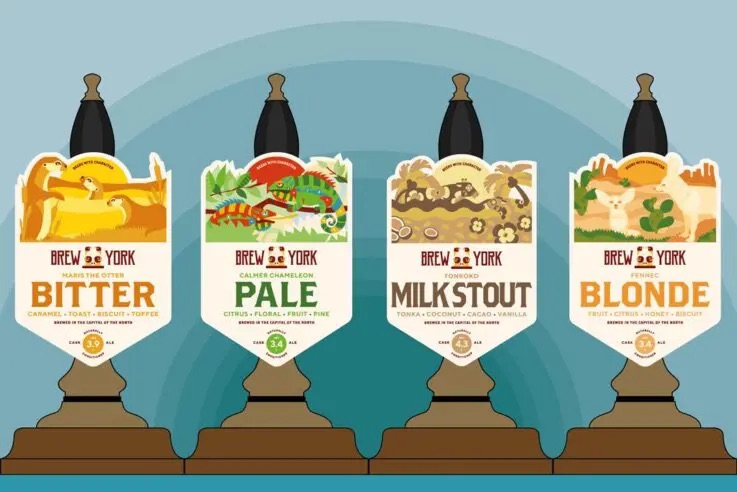
This movement back towards traditional British styles is in contrast to the performance of its standard dispense method. Cask ale, as an overall category, is in severe decline. The market has shrunk by a quarter since 2019, due largely to the pandemic and subsequent cost of living crisis. Consumers are now less likely to go out frequently, and when they do go out, they are less likely to gamble on cask, with its notorious short shelf life and temperamental nature. These sorts of reasons are what Carlsberg, the biggest producer of cask ale in the UK and therefore the world, cited when it decided to axe eight cask brands from their portfolio just a few weeks ago. Whilst most towns can boast a good cask pub or two with regular drinkers and healthy volumes, the reality, on a national scale, is that it is a dispense method currently in retreat.
All of the above movements in the industry point to one conclusion for me. That we are about to see an ingress from independent UK breweries into the broader ‘smooth flow’ keg market. This category still represents a significant volume in national consumption. John Smith’s is still the best selling keg ale in the country and Worthington’s Creamflow is still in the top ten. These are brands that started as, or evolved from, cask products, and we’re launched with nitro dispense when the cask market declined in the early 90’s. The category has been staunchly uncool for at least the last twenty years and is therefore ripe for reinvention, disruption and premiumisation.
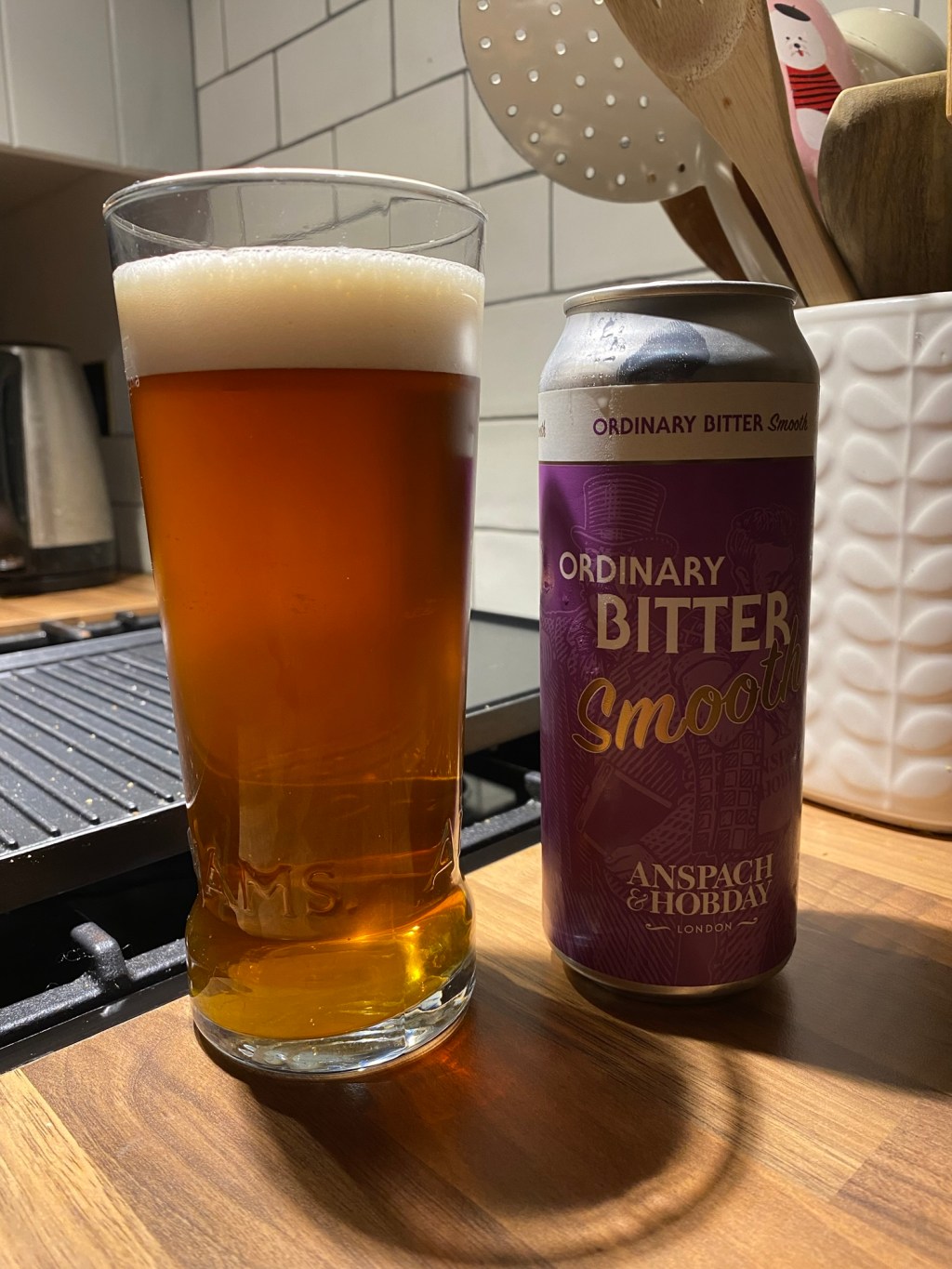
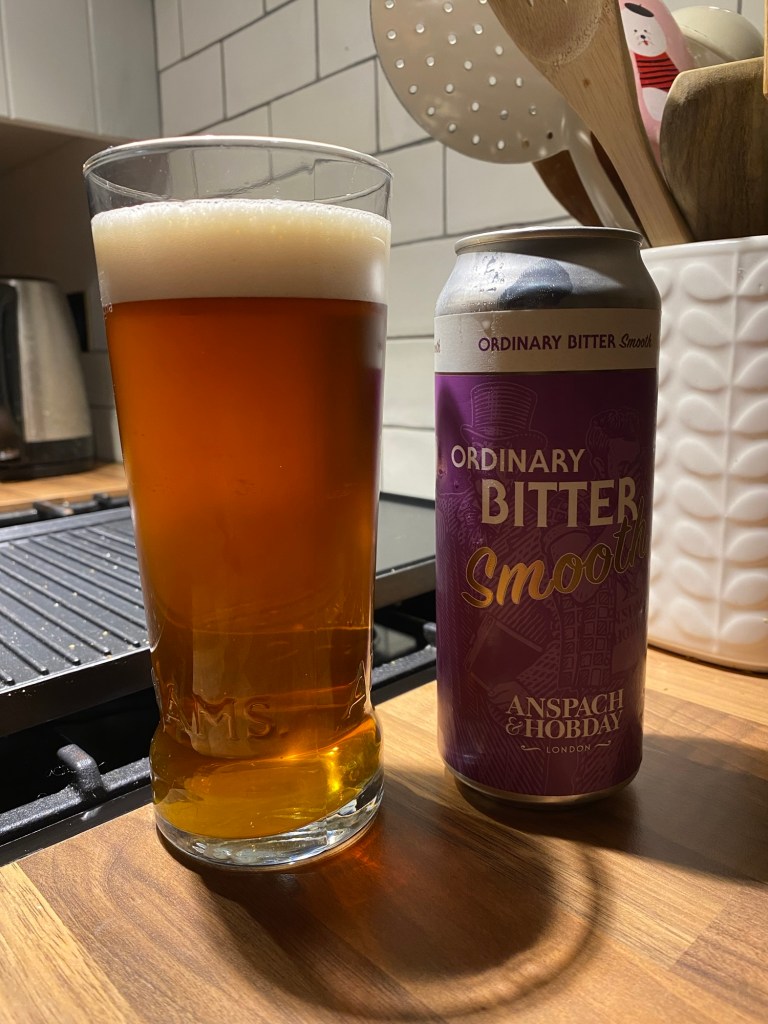
Some breweries have already began to dabble in this. Anspach & Hobday, one of the leading lights of the independent nitro stout movement with their London Black 4.4% (actually a nitro Porter) have released a ‘smooth’ version of their excellent Ordinary Bitter 3.4% in keg and can. Theakstons have found the locals of Whitby keen on a nitro version of their iconic Old Peculier 5.6% (which can be read about in this article here by Katie Mather). These are both world class beers on cask. The brewers aren’t replacing cask with nitro, but rather understanding that in the current climate, cask probably won’t work in all venues and nitro can be a mechanism to fill what would otherwise be a void in those locations.
Let us not forget the role of social media within all this. The current Guinness hype has been built largely on the fact that it is, undeniably a good looking beer, with its tight white head, doming above the rim of the glass. There is also the theatre of its service; the two step pour and its cascading bubbles as it settles. But none of those aspects are unique to Guinness alone and could all be boasted by any beer served with nitrogen in the correct way. The fact is nitro beers are visually appealing. In our modern world that is more than half the battle to grab attention and sales.
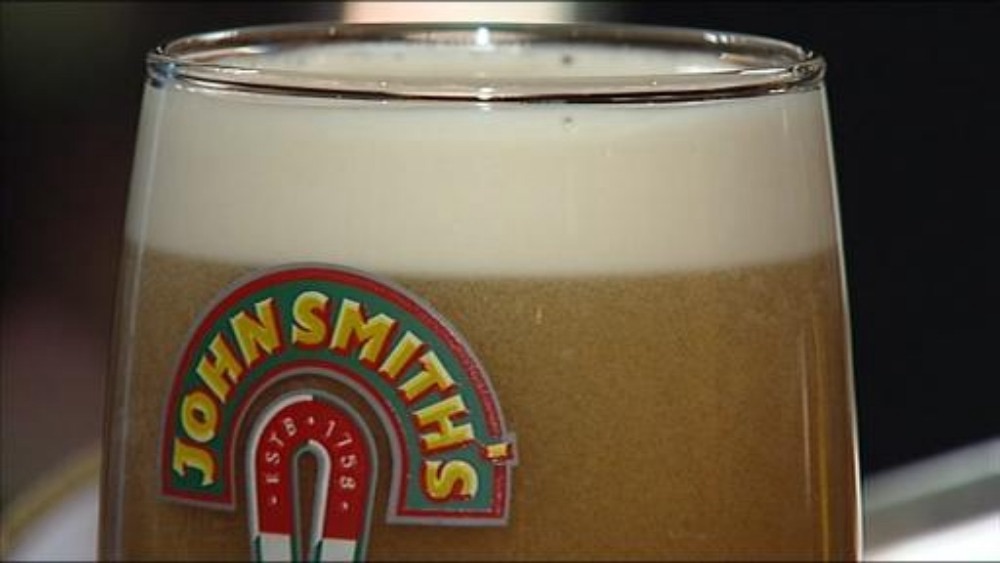
The beer industry post pandemic has shifted, experimentation is down, drinkability is up, and Instagram friendly pints have never been in more demand. Will 2025 be the year the independents break into nitro, beyond stout? Will we start seeing ‘smooth’ versions of modern classics like Five Points Best, or Thornbridge’s Jaipur? I think it’s possible. I think it’s potentially logical. As long as it is done alongside, rather than instead of, cask, I would even go so far as to say I am in favour of it.
 Beer with Tim
Leave a comment